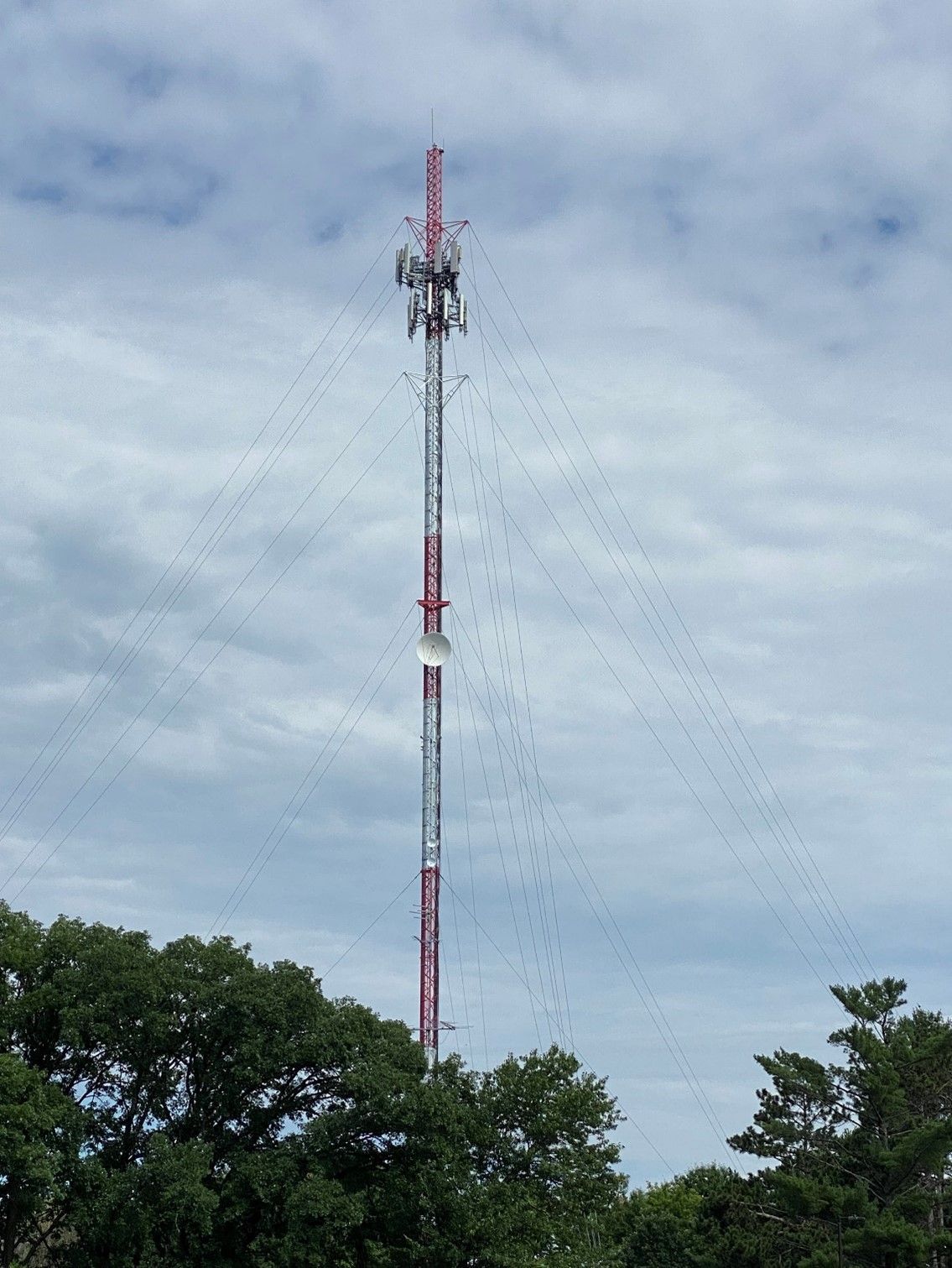
What Is a NOTAM (and Why Tower Owners Should Care)?
This is a subtitle for your new post
A NOTAM is an official notice used in aviation to alert pilots and flight operations to temporary hazards or changes that could affect flight safety. For tower owners, a NOTAM may be associated with required obstruction lighting not operating as expected. If you receive a NOTAM notification, the practical next steps are to confirm the issue, document it, initiate corrective action, and follow the proper process to close/clear the notice once resolved.
Note: You may see NOTAM expanded as “Notice to Air Missions” (and historically “Notice to Airmen”). The acronym remains NOTAM.
If you received a NOTAM notification and need help triaging next steps, Book a Call.
Educational Video Series — Episode 2: What is a NOTAM?
Key takeaways from video:
- A NOTAM is an aviation safety notice, it’s not automatically a fine or a violation.
- For tower owners, NOTAMs often show up when obstruction lighting performance becomes a safety concern.
- The right response is a documented workflow: verify → log → dispatch → restore → confirm → close/clear.
- The specifics of what’s required can depend on your structure’s FAA determination and associated documentation.
- Monitoring + clear ownership reduces NOTAM-driven scramble and repeat incidents.
Why NOTAMs Matter for Tower Owners/Operators
Obstruction lighting exists for one reason: visibility and safety. When lighting isn’t operating as required for your structure, it can create risk for aircraft operations, especially at night and in reduced visibility.
From an owner/operator standpoint, NOTAMs also matter because they:
• Create time-sensitive operational work
• Require good documentation (what happened, when, what you did)
• Often expose gaps in monitoring and response readiness
• Can impact relationships with customers/tenants when outages linger
What Typically Triggers a Tower-Lighting NOTAM (High Level)
Every tower/structure is different. Requirements depend on what was determined for that specific structure (height, location, marking/lighting study outcomes, and other factors). That said, NOTAM-related events for owners often involve:
• A beacon or side marker that is out or intermittent
• A controller/photocell issue causing lights to fail to switch or flash correctly
• Power, cabling, or component failures after storms or maintenance work
• A monitoring/notification gap where the outage isn’t detected quickly
Accuracy note: The exact conditions that require reporting and the timing can vary by your determination and the applicable guidance. When in doubt, treat it as time-sensitive and use a documented process.
What to do if you get a NOTAM Notification (Owner Checklist)
Here’s a practical, operator-friendly checklist you can use without overcomplicating it:
1. Confirm the issue
• Verify whether the lights are actually out or malfunctioning (when safe and feasible).
• If you rely on third-party monitoring, confirm what signal/event was detected.
2. Document immediately
• Date/time you became aware
• What you observed (which lights, behavior)
• Weather conditions (if relevant)
• Who you notified internally/external partners
3. Initiate corrective action
• Dispatch qualified resources for troubleshooting/repair.
• If you use a managed service model, open the service ticket and confirm response.
4. Track status until resolution
• Keep a simple timeline: detection → verification → dispatch → repair → validation.
• Don’t close the loop until the system is verified operational.
5. Close/clear as appropriate
• Once the lighting is restored and verified, follow the appropriate process to ensure the notice is closed/cleared (your workflow depends on how the notice was issued and which channels you use).
If you want this handled as a process (not a scramble), Book a Call and we’ll walk through how TLaaS® supports monitoring, documentation, and response.
Where Monitoring and Logs fit in
Owners who handle outages smoothly usually have two things in place:
• Fast detection (you know quickly when something changes)
• Clean records (you can show what happened and what you did)
A solid log discipline also improves internal coordination, especially if multiple parties touch the site (owners, operators, tenants, maintenance contractors).
Common Misconceptions
“A NOTAM means I’m automatically fined.”
- Not necessarily. A NOTAM is primarily a safety communication. Separate processes may exist for enforcement or compliance action, and the facts matter.
“If I fix the light, the NOTAM goes away automatically.”
- Don’t assume that. Restoration is step one; closing the loop is step two.
“This only matters for big towers.”
- Not always. Requirements are specific to the structure and its determination.
Article FAQs
What does NOTAM stand for?
- You’ll commonly see it expanded as “Notice to Air Missions” (historically “Notice to Airmen”). The acronym remains NOTAM.
Is a NOTAM the same as a violation?
- No. A NOTAM is an aviation safety notice. Compliance/enforcement is a separate question.
What should I have ready when addressing a NOTAM-related lighting issue?
- A simple record of the structure, contacts, detection time, observed issue, actions taken, and verification of restoration.
How do I prevent repeat NOTAM situations?
- Fast detection, clear response ownership, documented workflows, and proactive maintenance.
Can LumenServe handle this end-to-end?
- Yes. TLaaS® is designed to reduce the operational burden around monitoring, maintenance, and response coordination.
If you’re dealing with tower lighting compliance and want a predictable process, Book a Call .