LumenServe Video Collection
Click here for the new Brochure
We Are Tower Aficionados
LumenServe℠ owns and operates tower lighting systems across the United States. Our founding investment and management group has helped start some of the largest tower companies in the world and has unmatched experience.
A Work of Art
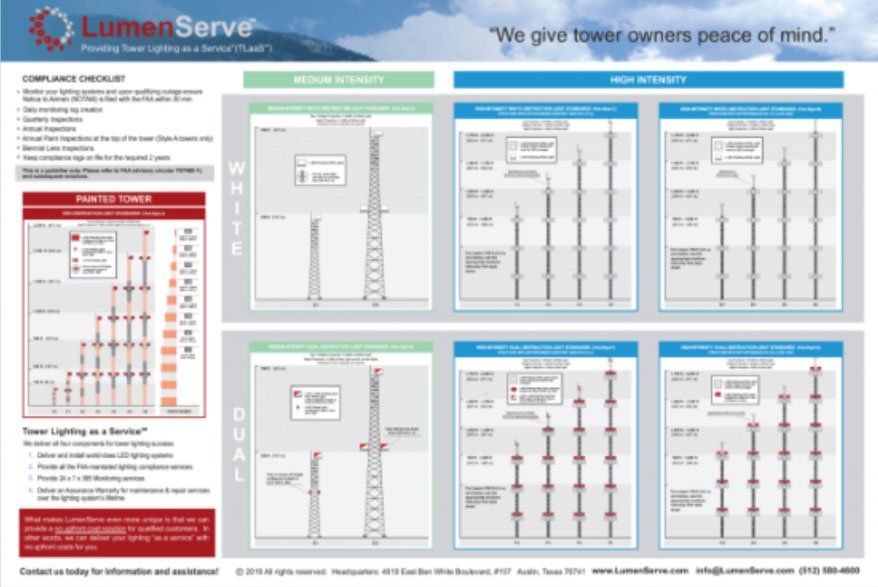
We’ve created a simple summary of the most common tower lighting regulations on a clear and easy to understand poster. It includes the most common tower types and a summary of compliance obligations.

FAA Regulations Resource
Keeping You In The Know
We’ve created a one-stop shop to all the links to the current and previous FAA Circulars which govern obstruction lighting AC 70/7460. It also includes other important links regarding obstruction lighting for your tower.
Learn what a NOTAM is, why it matters for tower lighting, and what to do if you receive a NOTAM notification. Book a Call with LumenServe.
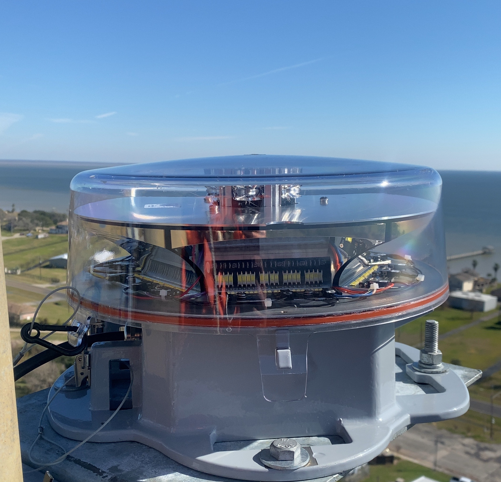
In the final chapter of our educational series, we'll discuss the benefits of moving away from incandescent and Xenon lights for your towers. If you'd like to watch the video, check it out here on our YouTube channel. For decades, incandescent tower lights were the standard for aviation obstruction lighting. While effective for basic visibility, these systems were inefficient, fragile, and costly to maintain. Xenon strobe lighting followed, offering longer life and improved efficiency. However, xenon systems still relied on flash-tube technology and continued to experience reliability issues, especially in harsh outdoor environments. The transition to LED tower lighting systems revolutionized the industry. Today, LEDs are the preferred solution for telecom towers, broadcast towers, wind turbines, and utility structures requiring FAA and FCC compliance. Why LED Technology Changed Everything Unlike glass bulbs or flash tubes, LEDs are solid-state semiconductors with: • No filaments • No corrodible contacts • No fragile internal components This makes LED systems highly resistant to shock, vibration, and temperature extremes—conditions towers face year-round. Structural Benefits: Smaller, Lighter, and Safer One of the most overlooked advantages of LED obstruction lighting is its low-profile physical design. Traditional incandescent and xenon lighting systems use large housings that increase the Effective Projected Area (EPA)—the surface exposed to wind loading. This adds stress to tower structures. LED tower lights are compact and lightweight, reducing: • Structural load • Wind resistance • Long-term fatigue on tower steel This improves tower safety and lowers engineering concerns. Proven Performance in High-RF Environments Modern towers operate in dense radio frequency (RF) environments. Older lighting technologies were vulnerable to interference and premature failures. LED tower lighting systems are engineered to perform reliably in high-RF conditions, making them ideal for today’s telecommunications infrastructure. Key Benefits of LED Tower Lighting Systems 1. Extended Operational Life Lighting Type Average Lifespan - Incandescent = < 1 year - Xenon = 2–4 years - LED = 10+ years Fewer replacements mean fewer tower climbs, lower labor costs, and reduced safety risk. 2. Up to 90% Energy Savings With efficacy exceeding 300 lumens per watt, LED obstruction lighting can: • Reduce electrical consumption by up to 90% • Lower monthly utility bills • Decrease lifetime operating costs This also supports sustainability and carbon reduction initiatives. 3. Community-Friendly Light Control Advanced LED optics provide precise beam control, allowing towers to: • Remain visible to pilots • Reduce glare in nearby neighborhoods • Minimize light pollution in urban and suburban environments 4. Environmentally Responsible Design LED systems: • Generate fewer lifetime emissions • Contain fewer hazardous materials • Support avian protection by reducing disorienting light patterns This aligns with modern environmental and regulatory standards. The Bottom Line: LEDs Are the New Standard LED tower lighting is not just a technology upgrade, it is a strategic investment in compliance, safety, and long-term cost control. LED obstruction lighting is: • Safer • More energy efficient • Structurally lighter • RF-resilient • Environmentally responsible • Many have the latest IR capabilities for improved night safety. For tower owners and operators, LED systems represent the future of aviation obstruction lighting. Thank you for reading the final chapter in our Educational Series. If you missed the previous ones, you can check them out now: Episode 1 Episode 2 Episode 3 Episode 4 Episode 5
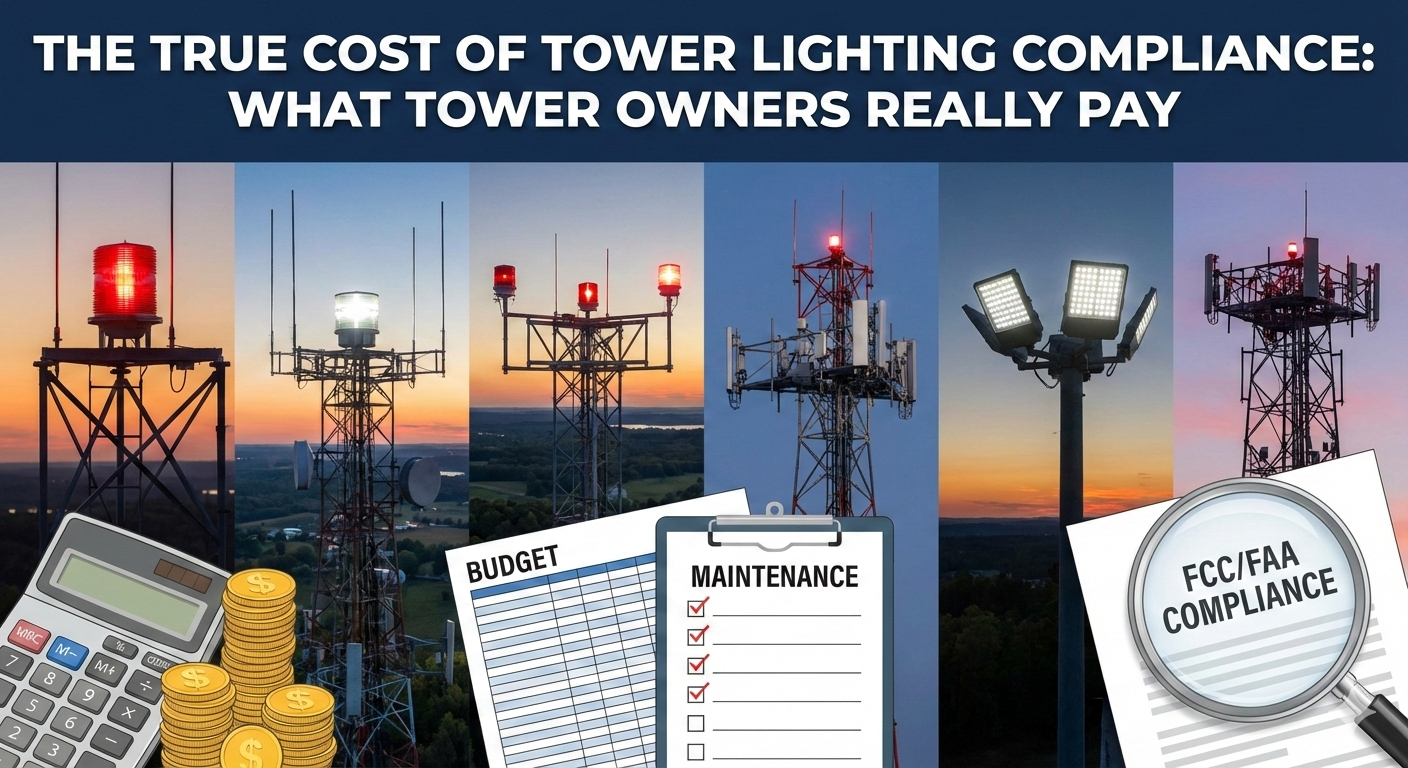
In this installment of our YouTube video series review, we'll cover the actual costs of ensuring your tower is lit correctly. Tower lighting is a critical part of aviation safety and federal compliance, but the true cost of tower ownership extends far beyond the obvious price of the lights themselves. To illustrate this, let’s break down the real monthly cost of operating a 300-foot painted FAA medium-intensity A1 tower using a legacy incandescent lighting system. To keep the analysis practical and budget-friendly, all costs are expressed on a monthly basis, which reflects how most operators track operational spending. Hard Costs: The Direct, Visible Expenses These are the line items that appear on invoices and budgets. 1. Lighting System Reserve • System purchase & installation: $17,980 • Depreciation: 12 years • Monthly cost: $125 2. Tower Painting Reserve • 300 ft painted tower • Cost: $40 per linear foot • Paint life: 7 years • Monthly cost: $140 3. Repairs & Compliance Documentation • One repair per year: $1,900 (parts + tower climb) • FAA paint card inspection & documentation: $233 annually • Monthly cost: $178 4. Quarterly On-Site Inspections • Required for compliance • Monthly cost: $89 5. Electrical Power • Legacy incandescent system • Average commercial electricity rates • Monthly cost: $60 6. Compliance Monitoring & Data • Monitoring unit installed: $1,900 • Depreciated over 7 years • Monthly service fee: $30 • Secure data plan: $10 • Monthly cost: $72 Total Hard Costs: $667 per Month This equals $8,004 per year for a single medium-intensity painted tower. Soft Costs: The Hidden Operational Burden Soft costs don’t show up on invoices, but they consume time, staff, and internal resources: • Coordinating tower climbs and repairs • Managing vendor schedules and contracts • Procurement and logistics • Site access and safety coordination • Documentation and recordkeeping • Internal compliance management These administrative burdens quietly inflate the real cost of tower ownership. Risk Costs: The Unpredictable Financial Exposure Even well-managed towers face uncontrollable risks: • Inflation: Rising labor, parts, and energy costs • Compliance risk: Missed inspections or documentation gaps • Capital shocks: Sudden lighting system replacements • Catastrophic events: Storm damage, equipment failures, accidents These risks can rapidly exceed annual budgets and disrupt operations. The Bottom Line: Ownership Is More Expensive Than It Looks Hard costs alone average $8,000 per year for a single FAA A1 medium-intensity painted tower. Once soft costs and risk exposure are included, the true financial burden is significantly higher. There Is a Smarter Way There is another model that can reduce your tower lighting costs by up to 50% while eliminating risk, compliance stress, and operational complexity. To learn more, explore our solution series or visit LumenServe.com to see how Tower Lighting as a Service® changes the economics of compliance. For more compliance guidance, check out our other educational series blog posts: 1. Tower Lighting Compliance Checklist: How to Stay FAA & FCC Compliant 2. What is a NOTAM? 3. Tower Lighting Inspections: FCC & FAA Requirements Every Tower Owner Must Know 4. Why Some Towers Rely on Paint Instead of Lights
Northwest Communications Cooperative
A Case Study
A premier communications provider, a large 540-square mile territory and 23 lit towers were in need of a tower lighting solution to cut costs, upgrade their old lighting systems and save staff time. LumenServe℠ provides the solution as detailed in this case study... more