February 24, 2026
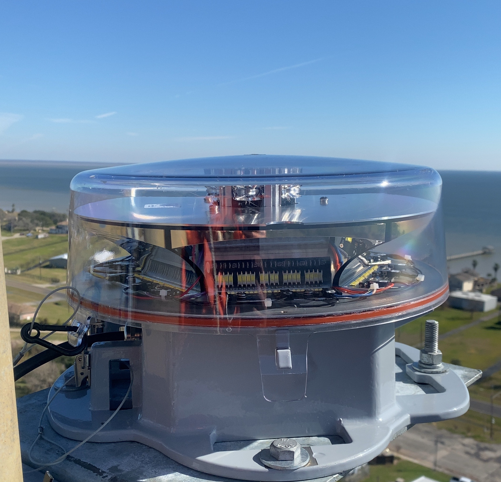
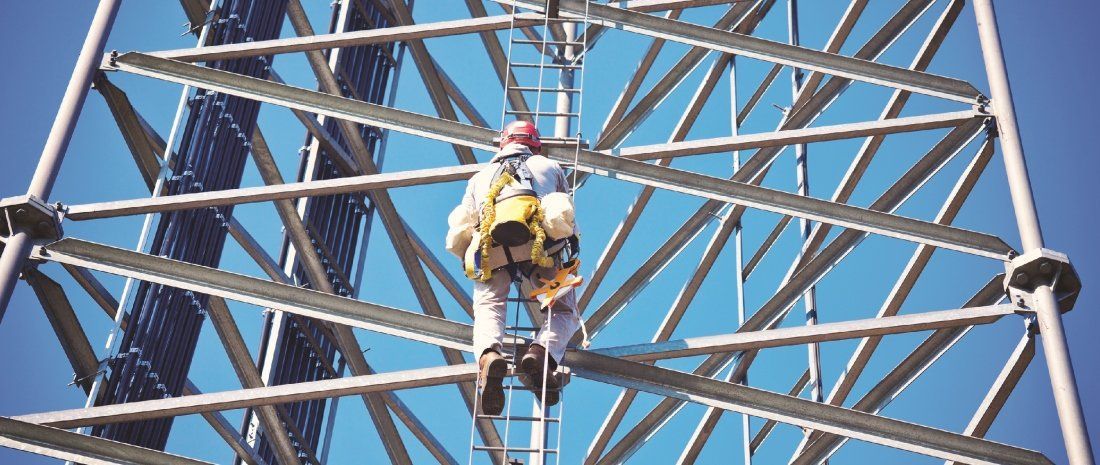
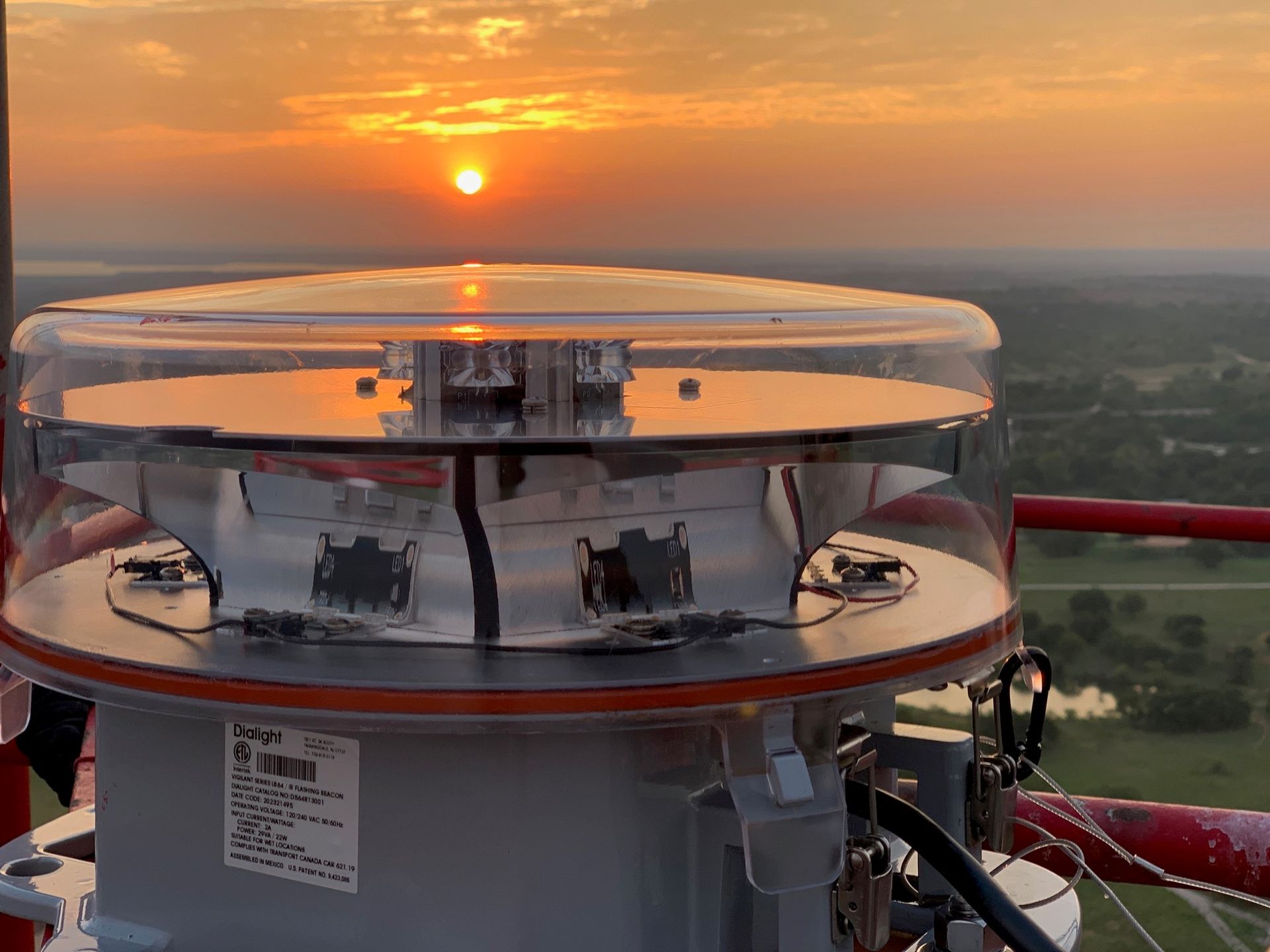
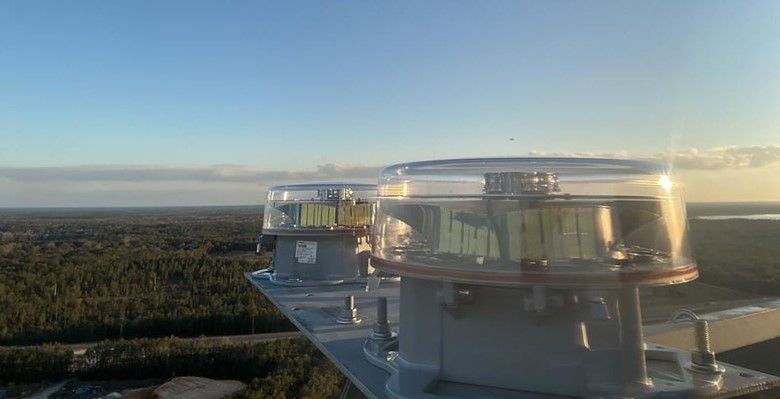
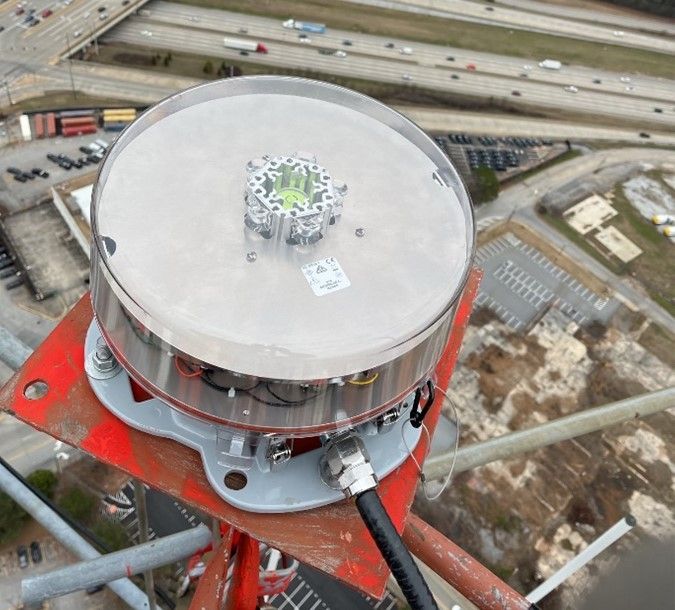
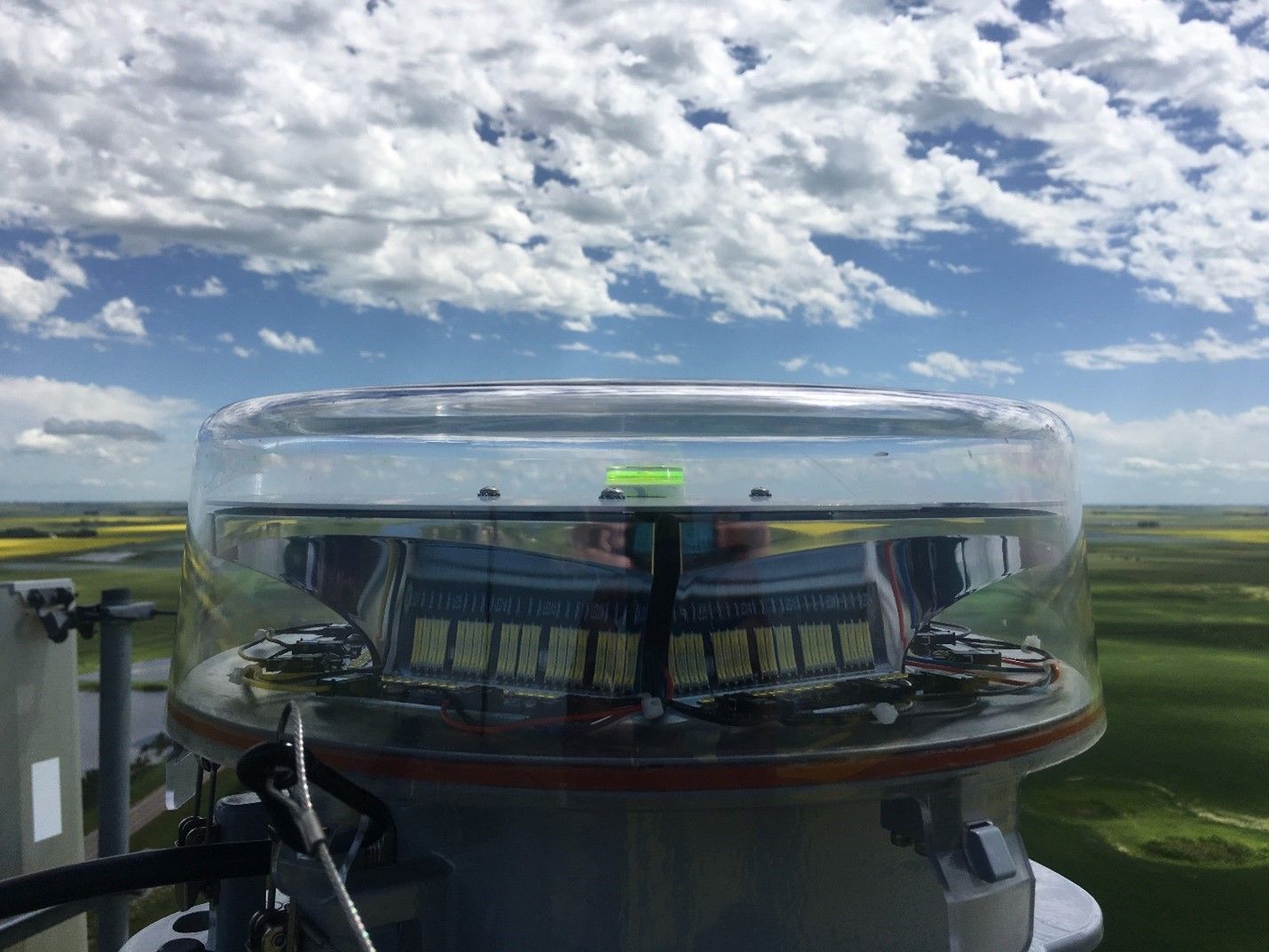
In the final chapter of our educational series, we'll discuss the benefits of moving away from incandescent and Xenon lights for your towers. If you'd like to watch the video, check it out here on our YouTube channel. For decades, incandescent tower lights were the standard for aviation obstruction lighting. While effective for basic visibility, these systems were inefficient, fragile, and costly to maintain. Xenon strobe lighting followed, offering longer life and improved efficiency. However, xenon systems still relied on flash-tube technology and continued to experience reliability issues, especially in harsh outdoor environments. The transition to LED tower lighting systems revolutionized the industry. Today, LEDs are the preferred solution for telecom towers, broadcast towers, wind turbines, and utility structures requiring FAA and FCC compliance. Why LED Technology Changed Everything Unlike glass bulbs or flash tubes, LEDs are solid-state semiconductors with: • No filaments • No corrodible contacts • No fragile internal components This makes LED systems highly resistant to shock, vibration, and temperature extremes—conditions towers face year-round. Structural Benefits: Smaller, Lighter, and Safer One of the most overlooked advantages of LED obstruction lighting is its low-profile physical design. Traditional incandescent and xenon lighting systems use large housings that increase the Effective Projected Area (EPA)—the surface exposed to wind loading. This adds stress to tower structures. LED tower lights are compact and lightweight, reducing: • Structural load • Wind resistance • Long-term fatigue on tower steel This improves tower safety and lowers engineering concerns. Proven Performance in High-RF Environments Modern towers operate in dense radio frequency (RF) environments. Older lighting technologies were vulnerable to interference and premature failures. LED tower lighting systems are engineered to perform reliably in high-RF conditions, making them ideal for today’s telecommunications infrastructure. Key Benefits of LED Tower Lighting Systems 1. Extended Operational Life Lighting Type Average Lifespan - Incandescent = < 1 year - Xenon = 2–4 years - LED = 10+ years Fewer replacements mean fewer tower climbs, lower labor costs, and reduced safety risk. 2. Up to 90% Energy Savings With efficacy exceeding 300 lumens per watt, LED obstruction lighting can: • Reduce electrical consumption by up to 90% • Lower monthly utility bills • Decrease lifetime operating costs This also supports sustainability and carbon reduction initiatives. 3. Community-Friendly Light Control Advanced LED optics provide precise beam control, allowing towers to: • Remain visible to pilots • Reduce glare in nearby neighborhoods • Minimize light pollution in urban and suburban environments 4. Environmentally Responsible Design LED systems: • Generate fewer lifetime emissions • Contain fewer hazardous materials • Support avian protection by reducing disorienting light patterns This aligns with modern environmental and regulatory standards. The Bottom Line: LEDs Are the New Standard LED tower lighting is not just a technology upgrade, it is a strategic investment in compliance, safety, and long-term cost control. LED obstruction lighting is: • Safer • More energy efficient • Structurally lighter • RF-resilient • Environmentally responsible • Many have the latest IR capabilities for improved night safety. For tower owners and operators, LED systems represent the future of aviation obstruction lighting. Thank you for reading the final chapter in our Educational Series. If you missed the previous ones, you can check them out now: Episode 1 Episode 2 Episode 3 Episode 4 Episode 5