
TLaaS® with LEDs – Your Tower’s Eco-Friendly Lighting Solution
December 17, 2017

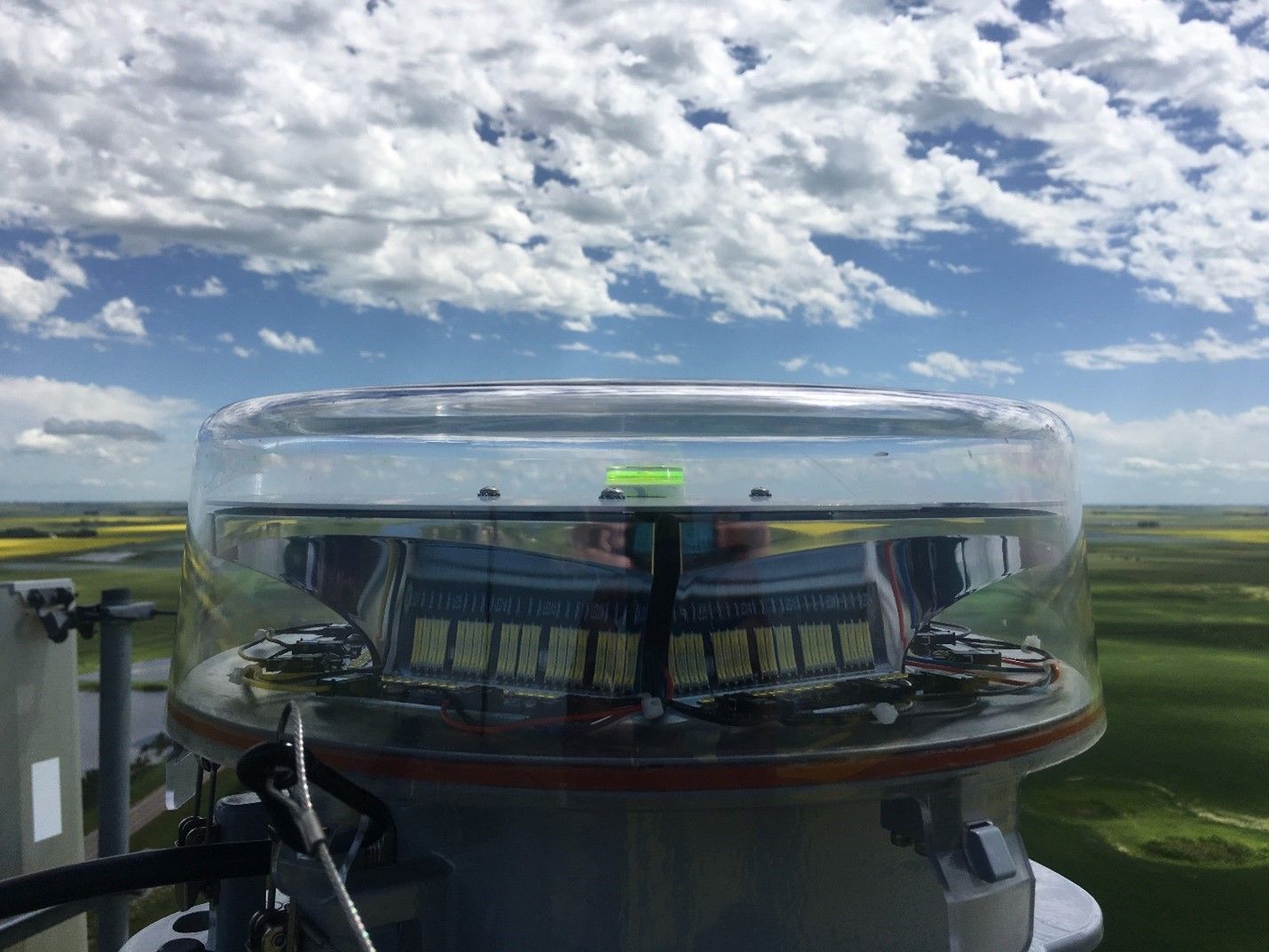
LEDs on your tower are the long-term “green solution”, easier on your wallet and easier on Mother Earth.
A Green Opportunity
If you are still operating your tower’s obstruction lighting system with incandescent or xenon technology, you are missing out on a unique opportunity to not only reduce costs and eliminate the hassle of lighting system repairs, bulb changes and maintenance, but also to select a solution that is good for our environment. Tower Lighting as a Service℠ (TLaaS℠) presents an unprecedented opportunity to move to eco-friendly LED with No Upfront Costs and realize these benefits. Let’s walk through the details.
Some Facts About LED’s
An LED lamp is an electric light used in lighting fixtures that produces light using light-emitting diodes (LEDs). LED lamps have an electrical efficiency and lifespan which are much greater than incandescent lamps and other legacy lighting technologies.
A typical household lightbulb provides a great example of the benefits of this technology. Here is a comparison between two lights that put off the same amount of light – one incandescent and the other an LED.
(Source: Wikipedia)
A traditional 60W household incandescent lamp will provide 800 lumens of light and last about 800 hours. The equivalent LED lamp will produce the same 800 lumens of light but only use 8.5W of power and last 31 times longer. Tower lighting LEDs exhibit similar benefits and result in a major leap forward in efficiency and longevity. The benefit is further multiplied since tower obstruction lights are often hundreds or thousands of feet above ground level meaning replacement has large labor costs and safety considerations.
Summary of Environmental Benefits
Electricity
– The most obvious eco-friendly benefit is reduced electricity consumption. Tower LED systems use ~90% less electricity than outdated legacy incandescent systems. For every type of FAA Tower Style
this is a significant environmental benefit over the life of the system.
Cost of light bulb replacement:
The FCC requires that lit structures remain lit, but depending upon the type of lighting system and bulb, the life of that bulb will vary. If a light bulb goes out, that light bulb must be changed. Since LED’s are in a whole different class with lifespan estimates 10-25 times greater than the older technology, bulb changes are very infrequent. There are tremendous environmental savings that result from this:
- Fuel and energy for tower crew labor to replace bulb.
- Elimination of energy to manufacture, transport and store the old technology replacement.
- Eliminate all the energy consumed in the project management, safety protocols, site visits for inspection and other labor associated with bulb replacements.
Disposal Considerations
– More frequent replacement means more materials being disposed of. The disposal of these many bulbs in landfills is another environmental cost of the legacy technology that LEDs minimize.
Light Pollution
– In some cases the new LED technology utilizes a technique to beam the light directly out and up from the lighting fixture. This is difference from the traditional method which is more omni directional. The resulting difference is less light pollution to the people on the ground. The newer technology provides less pollution to communities on the ground while still alerting aircraft in the sky of the presence of an obstruction.
Avian Considerations
– The FAA has released new standards for obstruction lighting to minimize impacts on migratory birds (see What You Need to Know About Avian Lighting Regulations). In some cases, this new standard eliminates certain non-flashing lights altogether, and in other cases, it stipulates conversion from steady burning to flashing obstruction lights. Studies show that these changes minimize the impact on migratory fowl. Moving your towers’ lighting system from legacy technology to the new LED technology provides an opportunity to upgrade your system and ensure compliance with these new standards designed to help our avian friends.
TLaaS℠ - A New Option to Upgrade to LEDs
A unique option to install environmentally friendly LEDs is TLaaS℠, a proprietary solution offered by LumenServe℠. TLaaS℠ includes:
- Installation of New LED Lighting System - Certified installation of the best LED obstruction lighting systems available pursuant to manufacturer's specifications to ensure full warranty compliance.
- Draft FAA Required Paperwork for Lighting Change - Draft all the required FAA form filings, from documentation through submission, including. process approval, new installations, advanced notifications, and compliance.
- Decommission of Old Lighting System - Decommission and remove the old lighting system, including old lighting fixtures, electronics, and cabling. All decommissioned equipment and materials are properly disposed of.
- Installation Close Out Package Documentation - Photo documentation of the entire system is provided to tower owners in a professional close out package.
- Assurance Warranty - It includes an Assurance Warranty which provides for all parts and labor to ensure the system is functioning properly.
- FAA Compliance Services - Compliance and monitoring and FAA required Tower Inspection Services.
LumenServe℠
can help you analyze the costs and benefits of all your options. Also, don’t forget, as the nation’s first Tower Lighting as a Service℠ company, LumenServe™ can provide qualified customers with a lighting solution that requires no upfront costs.
Let us look at your situation and see if we can help you “Go Green” with your tower lighting.
For more information, please contact LumenServe℠ at:
Learn what a NOTAM is, why it matters for tower lighting, and what to do if you receive a NOTAM notification. Book a Call with LumenServe.
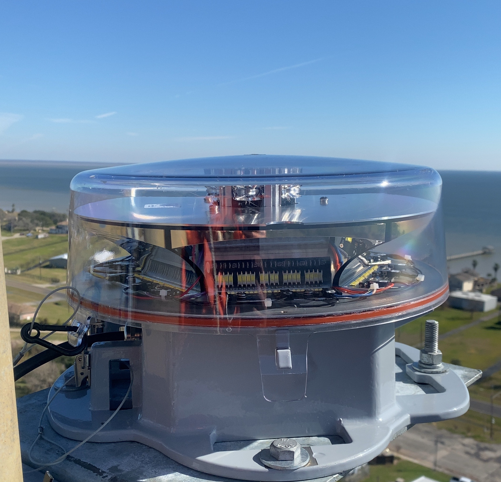
In the final chapter of our educational series, we'll discuss the benefits of moving away from incandescent and Xenon lights for your towers. If you'd like to watch the video, check it out here on our YouTube channel. For decades, incandescent tower lights were the standard for aviation obstruction lighting. While effective for basic visibility, these systems were inefficient, fragile, and costly to maintain. Xenon strobe lighting followed, offering longer life and improved efficiency. However, xenon systems still relied on flash-tube technology and continued to experience reliability issues, especially in harsh outdoor environments. The transition to LED tower lighting systems revolutionized the industry. Today, LEDs are the preferred solution for telecom towers, broadcast towers, wind turbines, and utility structures requiring FAA and FCC compliance. Why LED Technology Changed Everything Unlike glass bulbs or flash tubes, LEDs are solid-state semiconductors with: • No filaments • No corrodible contacts • No fragile internal components This makes LED systems highly resistant to shock, vibration, and temperature extremes—conditions towers face year-round. Structural Benefits: Smaller, Lighter, and Safer One of the most overlooked advantages of LED obstruction lighting is its low-profile physical design. Traditional incandescent and xenon lighting systems use large housings that increase the Effective Projected Area (EPA)—the surface exposed to wind loading. This adds stress to tower structures. LED tower lights are compact and lightweight, reducing: • Structural load • Wind resistance • Long-term fatigue on tower steel This improves tower safety and lowers engineering concerns. Proven Performance in High-RF Environments Modern towers operate in dense radio frequency (RF) environments. Older lighting technologies were vulnerable to interference and premature failures. LED tower lighting systems are engineered to perform reliably in high-RF conditions, making them ideal for today’s telecommunications infrastructure. Key Benefits of LED Tower Lighting Systems 1. Extended Operational Life Lighting Type Average Lifespan - Incandescent = < 1 year - Xenon = 2–4 years - LED = 10+ years Fewer replacements mean fewer tower climbs, lower labor costs, and reduced safety risk. 2. Up to 90% Energy Savings With efficacy exceeding 300 lumens per watt, LED obstruction lighting can: • Reduce electrical consumption by up to 90% • Lower monthly utility bills • Decrease lifetime operating costs This also supports sustainability and carbon reduction initiatives. 3. Community-Friendly Light Control Advanced LED optics provide precise beam control, allowing towers to: • Remain visible to pilots • Reduce glare in nearby neighborhoods • Minimize light pollution in urban and suburban environments 4. Environmentally Responsible Design LED systems: • Generate fewer lifetime emissions • Contain fewer hazardous materials • Support avian protection by reducing disorienting light patterns This aligns with modern environmental and regulatory standards. The Bottom Line: LEDs Are the New Standard LED tower lighting is not just a technology upgrade, it is a strategic investment in compliance, safety, and long-term cost control. LED obstruction lighting is: • Safer • More energy efficient • Structurally lighter • RF-resilient • Environmentally responsible • Many have the latest IR capabilities for improved night safety. For tower owners and operators, LED systems represent the future of aviation obstruction lighting. Thank you for reading the final chapter in our Educational Series. If you missed the previous ones, you can check them out now: Episode 1 Episode 2 Episode 3 Episode 4 Episode 5
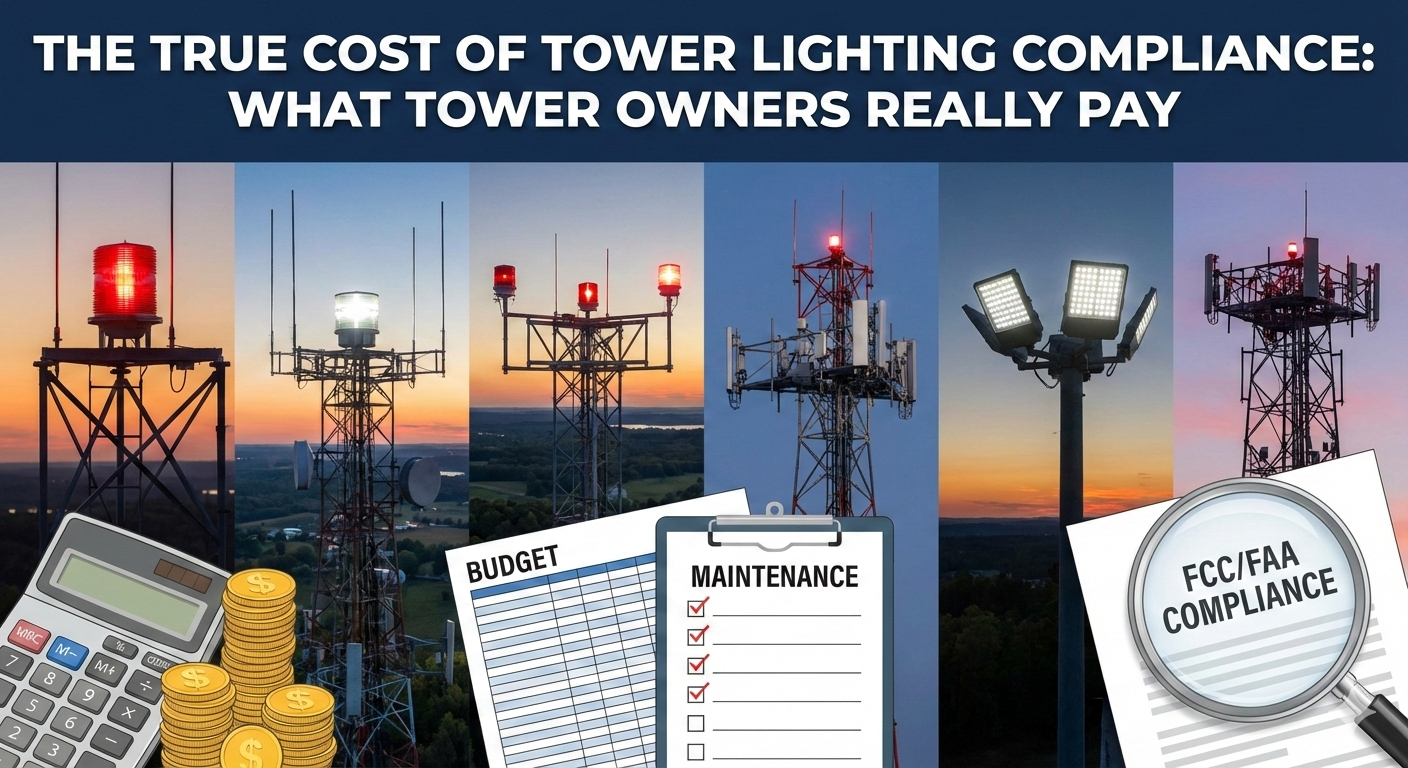
In this installment of our YouTube video series review, we'll cover the actual costs of ensuring your tower is lit correctly. Tower lighting is a critical part of aviation safety and federal compliance, but the true cost of tower ownership extends far beyond the obvious price of the lights themselves. To illustrate this, let’s break down the real monthly cost of operating a 300-foot painted FAA medium-intensity A1 tower using a legacy incandescent lighting system. To keep the analysis practical and budget-friendly, all costs are expressed on a monthly basis, which reflects how most operators track operational spending. Hard Costs: The Direct, Visible Expenses These are the line items that appear on invoices and budgets. 1. Lighting System Reserve • System purchase & installation: $17,980 • Depreciation: 12 years • Monthly cost: $125 2. Tower Painting Reserve • 300 ft painted tower • Cost: $40 per linear foot • Paint life: 7 years • Monthly cost: $140 3. Repairs & Compliance Documentation • One repair per year: $1,900 (parts + tower climb) • FAA paint card inspection & documentation: $233 annually • Monthly cost: $178 4. Quarterly On-Site Inspections • Required for compliance • Monthly cost: $89 5. Electrical Power • Legacy incandescent system • Average commercial electricity rates • Monthly cost: $60 6. Compliance Monitoring & Data • Monitoring unit installed: $1,900 • Depreciated over 7 years • Monthly service fee: $30 • Secure data plan: $10 • Monthly cost: $72 Total Hard Costs: $667 per Month This equals $8,004 per year for a single medium-intensity painted tower. Soft Costs: The Hidden Operational Burden Soft costs don’t show up on invoices, but they consume time, staff, and internal resources: • Coordinating tower climbs and repairs • Managing vendor schedules and contracts • Procurement and logistics • Site access and safety coordination • Documentation and recordkeeping • Internal compliance management These administrative burdens quietly inflate the real cost of tower ownership. Risk Costs: The Unpredictable Financial Exposure Even well-managed towers face uncontrollable risks: • Inflation: Rising labor, parts, and energy costs • Compliance risk: Missed inspections or documentation gaps • Capital shocks: Sudden lighting system replacements • Catastrophic events: Storm damage, equipment failures, accidents These risks can rapidly exceed annual budgets and disrupt operations. The Bottom Line: Ownership Is More Expensive Than It Looks Hard costs alone average $8,000 per year for a single FAA A1 medium-intensity painted tower. Once soft costs and risk exposure are included, the true financial burden is significantly higher. There Is a Smarter Way There is another model that can reduce your tower lighting costs by up to 50% while eliminating risk, compliance stress, and operational complexity. To learn more, explore our solution series or visit LumenServe.com to see how Tower Lighting as a Service® changes the economics of compliance. For more compliance guidance, check out our other educational series blog posts: 1. Tower Lighting Compliance Checklist: How to Stay FAA & FCC Compliant 2. What is a NOTAM? 3. Tower Lighting Inspections: FCC & FAA Requirements Every Tower Owner Must Know 4. Why Some Towers Rely on Paint Instead of Lights
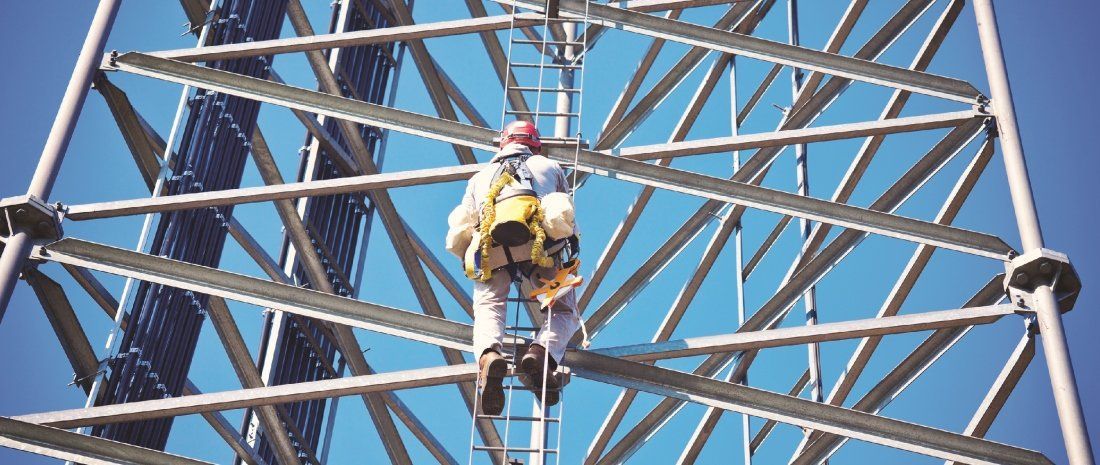
How much do you know about obstruction lighting inspection and monitoring requirements? We'll help you understand what it takes to remain fully FAA compliant.
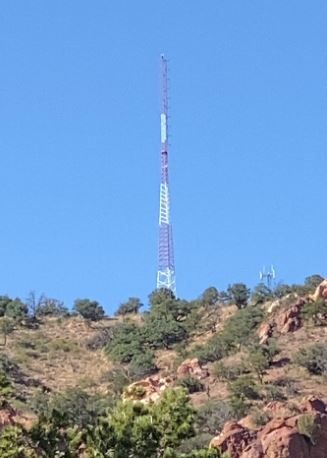
Ever wonder why some towers are painted red (or aviation orange) and others are not? Here is part 4 of our educational YouTube series that helps you learn all about it! Not all towers use lighting systems for daytime visibility. Towers marked with alternating bands of aviation orange and white are classified under FAA Style A marking. Instead of relying on lights, these structures depend on high-contrast paint to remain visible to aircraft during daylight hours. Maintaining this marking is not optional, it is a federal requirement. What the FAA Requires According to FAA Advisory Circular AC 70/7460-1: “Antenna structures requiring painting shall be cleaned or repainted as often as necessary to maintain good visibility.” To determine whether a tower remains compliant, owners must evaluate the paint condition using the FAA In-Service Aviation Orange Tolerance Chart. Why Paint Fails Over Time Environmental exposure gradually degrades tower paint: • UV radiation • Wind abrasion • Rain and weather extremes This causes fading, which reduces contrast and aviation visibility. Once faded beyond tolerance limits, the tower is no longer compliant and must be repainted or cleaned.
A quick overview of how to file your NOTAM if you have a qualifying obstruction lighting outage and how to clear them once repaired.
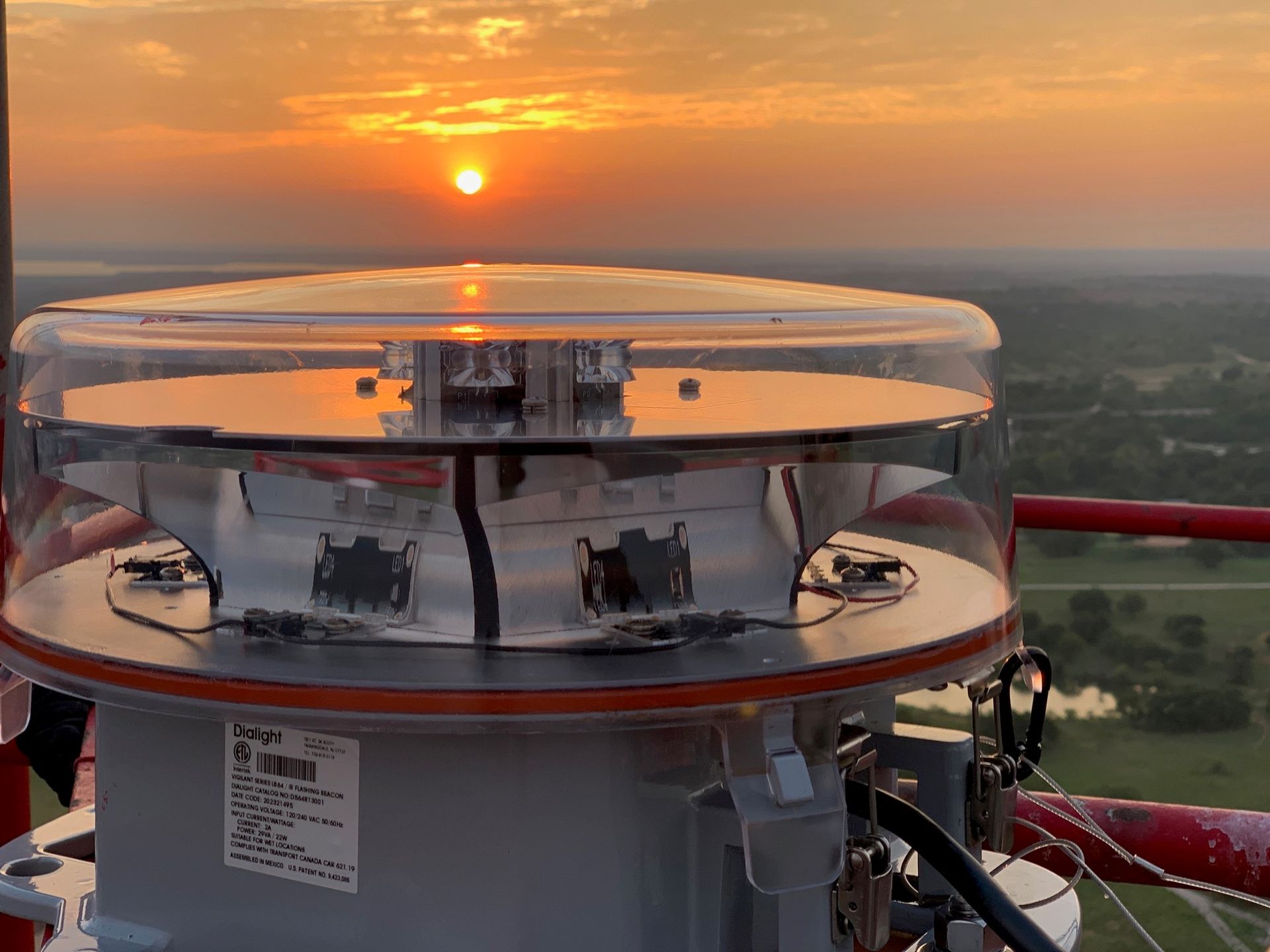
This is a recap of our Tower Lighting Video series. Episode 1: Tower Lighting Compliance Checklist: How to Stay FAA & FCC Compliant. A brief compliance checklist.
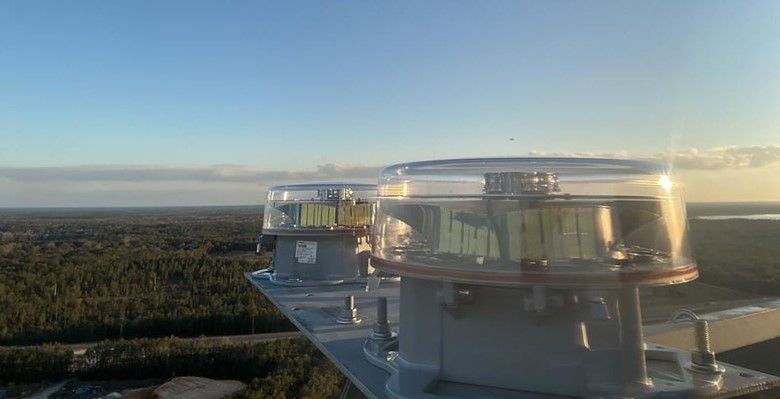
We extend our condolences to the families impacted by the recent helicopter crash in Houston’s Second Ward. While the cause is still under investigation, this tragedy is a reminder of how crucial obstruction lighting is for aviation safety. At LumenServe ℠ , we are dedicated to delivering innovative solutions that ensure your towers meet federal compliance standards, operate at peak efficiency, and ultimately protect lives. With cutting-edge technology, including Infrared (IR)-capable LED lighting systems, we help you stay ahead in safety and compliance without compromising on quality or cost.
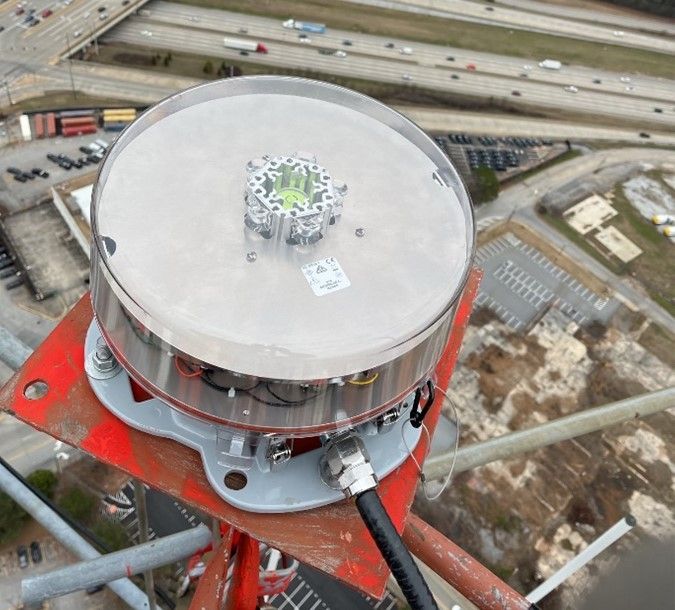
Effective as of September 11, 2020, the FAA requires Infrared Emitters (IR) for your LED obstruction lighting for newly constructed towers or circular updates. The FAA’s Advisory Circular (AC) spells out the specifications for IR and obstruction lighting equipment. The obstruction lighting rules were created in response to the Safety Risk Assessment of LEDs in Aircraft Operations with the FAA establishing IR specifications for LED based obstruction lights. Specifications are contained in Airport Engineering Brief 98 and Infrared Specifications for Aviation Obstruction Light Compatibility with Night Vision Goggles, published December 18, 2017. Military, emergency service, and other helicopter pilots are starting to use NVGs more frequently for increased safety and to amplify visible light. The illustrations below highlight the need for IR with your obstruction lighting.
Simplify Your Tower Lighting Compliance with LumenServe℠ Attention tower owners! Staying on top of federally mandated lighting compliance regulations is crucial, but it doesn't have to be overwhelming. LumenServe℠ is here to help with our all-inclusive program that takes the stress out of compliance and monitoring. Are You Up to Date with FAA Regulations? Here's a straightforward compliance checklist: Monitor Your Lighting Systems: If there's an unresolved qualifying outage, file a Notice to Air Mission (NOTAM) with the FAA within 30 minutes, and clear the NOTAM once resolved. Daily Monitoring Logs: Create and maintain compliance logs for at least two years. Quarterly On-Site Inspections: Ensure your lighting systems are functioning correctly. Paint Inspections: Check the top portion of Style A towers. Biennial Lens Inspections: Regularly inspect your lenses every two years. Stay Ahead with New Regulations Regulations are always evolving. Whether it's the 7/8ths inch rule, IR lighting specifications, or the Avian standard, staying compliant can be a challenge. But that's where LumenServe℠ comes in! LumenServe℠ offers a complete range of compliance services to make your life easier: Compliance & Monitoring Services 24/7/365 Active Monitoring: Continuous monitoring of your lighting system. Remote Diagnostics: Quickly identify and resolve issues. FAA NOTAM Management: Reporting, tracking, and resolution. Daily Logs: Maintain logs with over two years of storage. Lighting Circular Validation FAA Rule Updates: Stay informed on new rules like the 7/8ths inch rule, IR LEDs, and aviation lighting regulations. Customer Reports: Stay in the loop with everything regarding your tower lighting. On-Site Tower Lighting Inspections Quarterly Lighting Inspections: Regular checks to ensure proper operation. Biennial Lens Inspections: Comprehensive lens checks every two years. Paint Inspections: For the top portion of Style A towers. Real-Time Monitoring and Updates With our 24/7/365 Network Operations Centers and customer portal, you'll always be informed about your tower’s health, alarm status, maintenance, and repair history. Trust LumenServe℠ for Compliance Rely on us to keep your tower compliant. Our expertise and scale can save you money and free up your time to focus on your core business. Contact LumenServe℠ today to learn more about our services. Contact Us Phone: (512) 580-4600 Email: info@LumenServe.com
