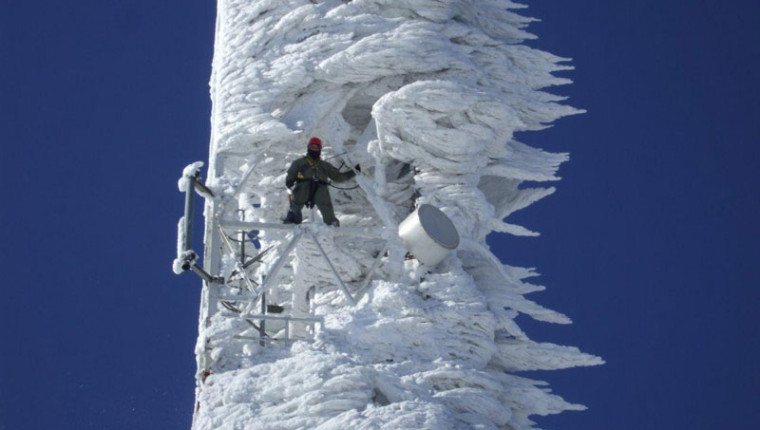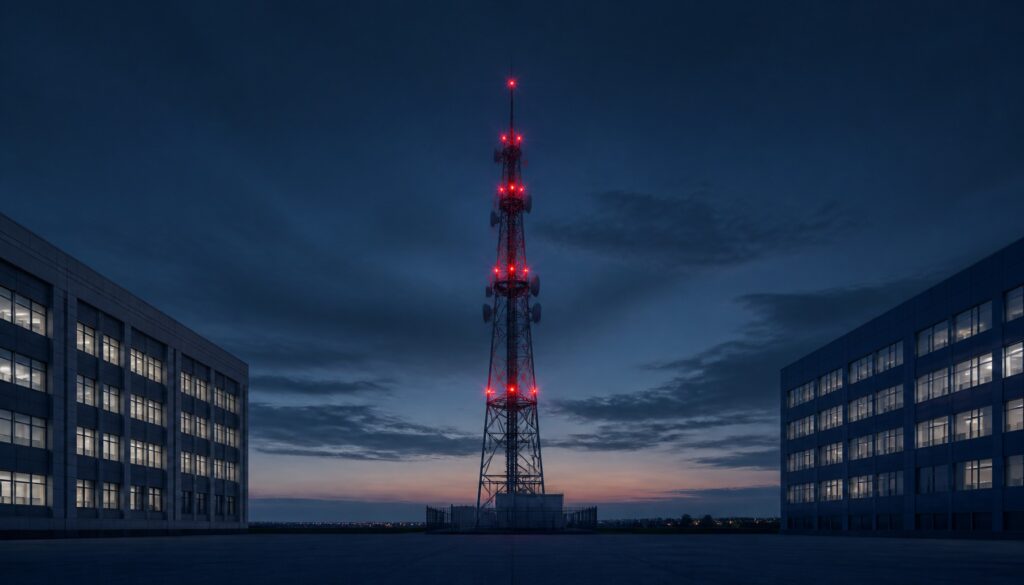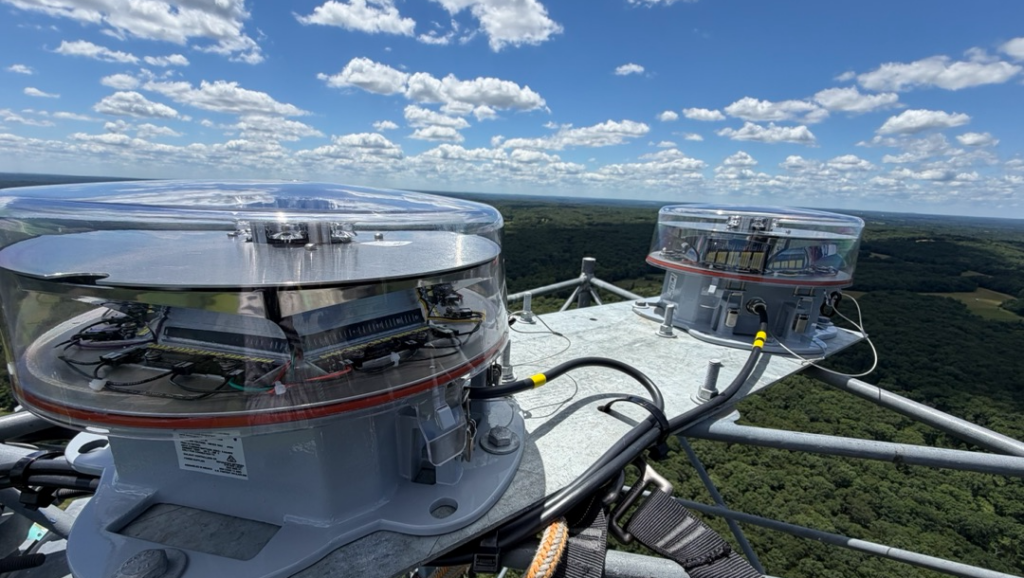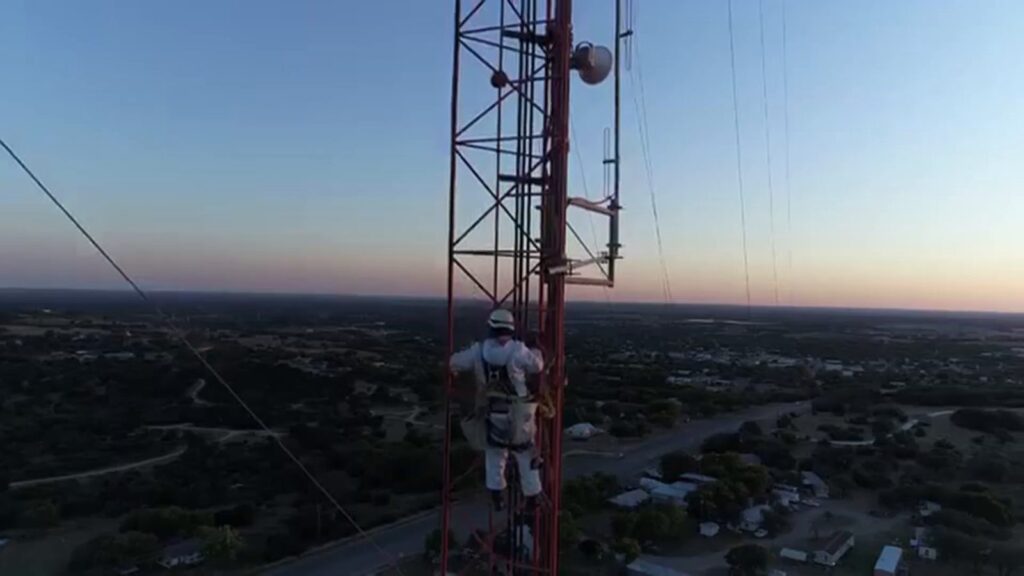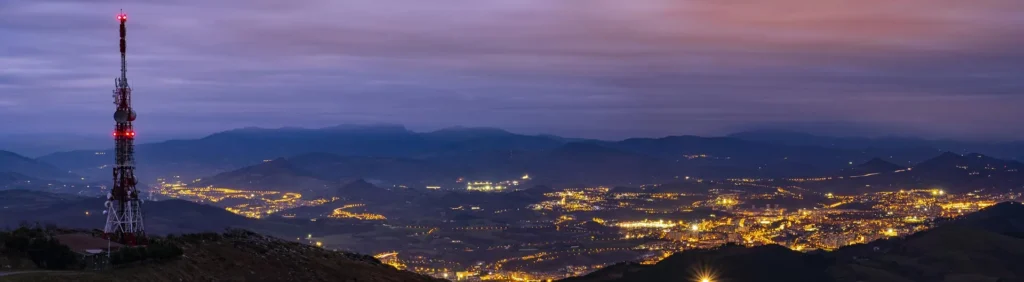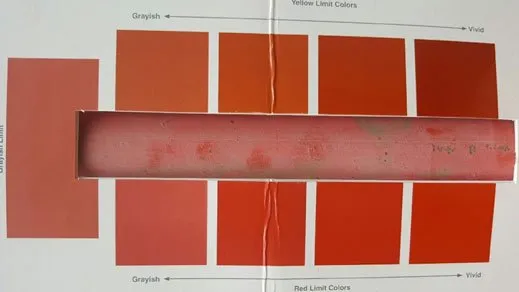
If your tower is marked under FAA Style A, its daytime visibility depends on aviation orange and white paint, and its nighttime visibility depends on red obstruction lights.
Under FAA Style E, the marking method shifts to white lights during the day and twilight and red lights at night, with painting of the tower typically not required under the FAA figure for that style. For many painted towers, that makes an A-to-E conversion worth evaluating.
Why Owners Consider Converting from Style A to Style E
Most owners do not explore this transition because they want a different acronym. They explore it because painted towers create recurring burden.
1. Tower paint creates long-term upkeep
Painted towers are not a one-time project. Paint condition has to be monitored, and repainting can become necessary over time.
2. Repainting can become a major project
Tower painting costs are shaped by tower height, tower type, labor, mobilization, and site conditions. For many broadcast towers, repainting is not minor maintenance. It is a serious operational event.
3. Many owners want a more modern marking method
If a tower is already due for lighting upgrades or broader system improvements, it often makes sense to evaluate whether the marking method itself should be modernized too.
4. Management wants predictability
A painted tower can leave owners dealing with recurring repaint questions. A lighting-based approach may offer a cleaner long-term path.
What Changes in an A-to-E Conversion?
At a high level, the tower stops relying on paint for daytime obstruction marking and moves to a lighting-based daytime solution.
That typically means replacing the legacy painted-tower approach with a system designed to provide:
- White lighting by day
- White lighting at twilight
- Red lighting by night
This is more than a bulb replacement. It is a change in the tower’s marking method.
Comparison Table
| Feature | Style A | Style E |
|---|---|---|
| Daytime marking | Aviation orange/white paint | White lights |
| Twilight marking | Paint / legacy marking method | White lights |
| Nighttime marking | Red lights | Red lights |
| Paint dependence | Yes | Typically not required |
| Common owner concern | Repainting burden | Lighting-system modernization |
Can a Style E Conversion Eliminate the Need for Tower Paint?
For towers that qualify for this transition, the answer may be yes.
The most accurate way to say it is:
If a painted tower can be approved for conversion to the appropriate FAA Style E configuration, the tower may no longer need paint for obstruction marking purposes.
That does not mean every painted tower can automatically make the transition. The correct marking and lighting method depends on the structure and the applicable approved requirements.
Important: This page is intended for general informational purposes. Whether a specific tower can transition from Style A to Style E depends on the structure’s approved marking and lighting requirements. Contact us to get your free assessment and recommendation on how this migration could work for your towers.
A Common Example: A2 to E2
One commonly discussed example is the transition from a 400-foot A2 tower to an E2 tower. In that scenario, the owner may move from a painted tower with red lights at night to a tower using white lights during the day and red lights at night.
This is the practical reason many owners start searching for a way to “never paint your tower again.” What they are really looking for is a legitimate path to replace paint-based daytime marking with an updated lighting configuration.
What LumenServe Helps Evaluate
LumenServe helps tower owners evaluate whether a painted tower may be a candidate for conversion and what the path could look like.
That includes:
- Reviewing the current marking and lighting method
- Evaluating whether a Style A-to-E transition may be viable
- Identifying the lighting system needed for the updated configuration
- Planning installation of a dual-mode LED system
- Supporting the tower after conversion with ongoing service options
Want to know if your tower is a candidate? Book a call with LumenServe to review your current configuration and next-step options.
When an A-to-E Conversion May Make Sense
This type of transition is often worth evaluating when:
- The tower is already painted under a legacy Style A configuration
- Repainting is becoming a near-term concern
- The owner wants to modernize the site’s lighting approach
- Management wants a more predictable long-term path
- The tower owner wants to reduce long-term dependence on painting for obstruction marking
The Bottom Line
If you own a painted FAA Style A tower, there may be a better long-term path than continuing to rely on paint for daytime obstruction marking.
A conversion to FAA Style E may allow the structure to move to a white-by-day, red-by-night configuration and reduce or eliminate the ongoing burden of tower painting for obstruction marking purposes, depending on the approved requirements for that tower.
That is why this is more than a lighting upgrade. It is a chance to modernize the site and move toward a more predictable tower-lighting strategy.
See Whether Your Tower Is a Candidate for Conversion
If your tower is currently painted and you want to know whether it may qualify for a transition from Style A to Style E, LumenServe can help you evaluate the opportunity.
Talk with LumenServe about your current tower configuration, your repaint burden, and whether a conversion path makes sense.
For the full range of lighting configurations, see the FAA tower lighting system types, and for the compliance duties on any lit tower, our guide to FAA tower lighting requirements.