Why Some Towers Rely on Paint Instead of Lights
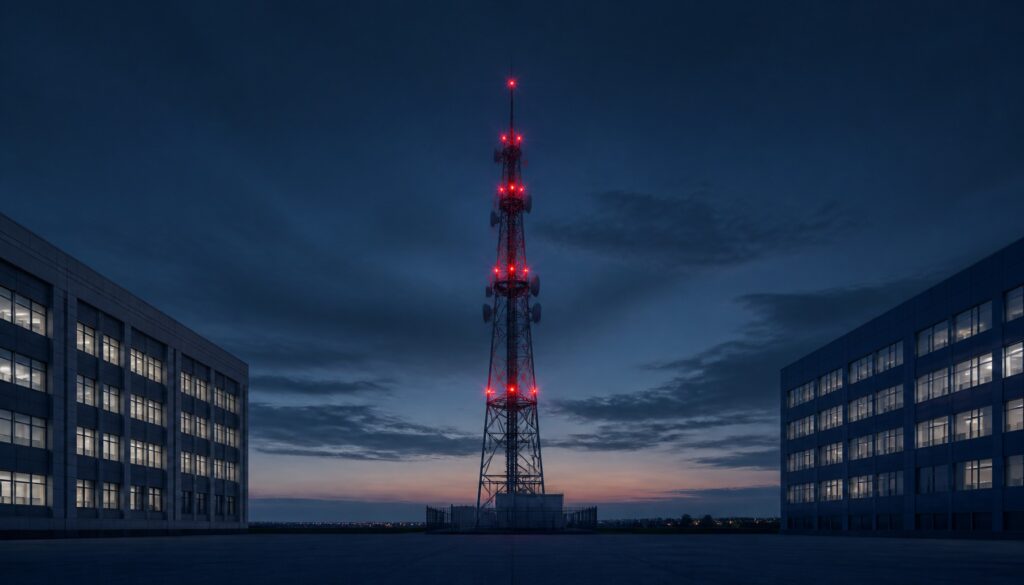
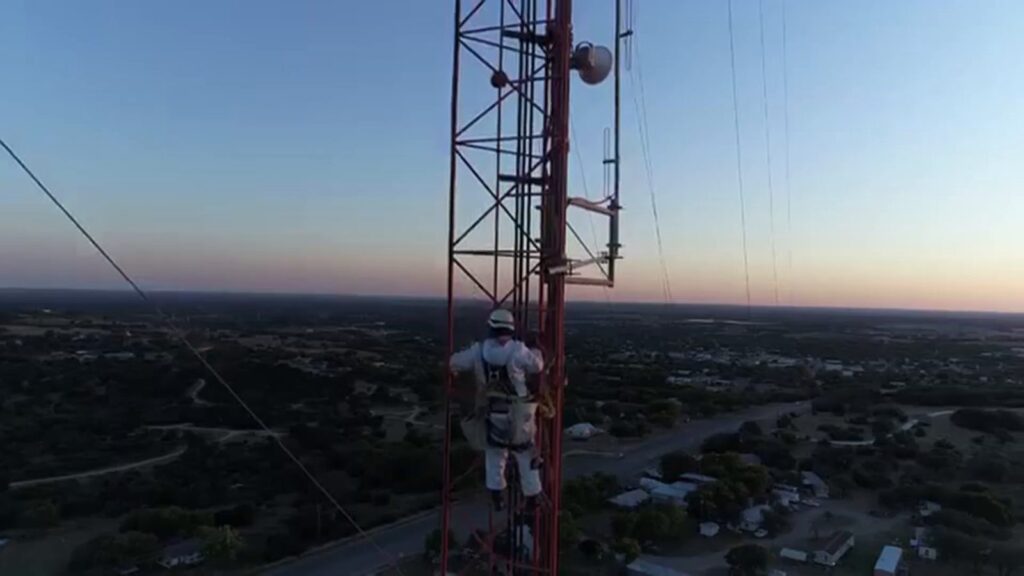
Not every tower relies on lighting alone for daytime visibility. Under FAA Style A, a structure is marked with aviation orange and white paint for daytime visibility and red obstruction lights at night, per FAA Advisory Circular 70/7460-1N. In part 4 of our educational video series, we cover how those paint markings are inspected and maintained to stay compliant.
What the FAA Requires for Painted Tower Markings
Under FAA Style A, painted marking handles daytime visibility while red obstruction lights cover nighttime visibility, a pairing described in AC 70/7460-1N. Owners who want to retire the repaint cycle entirely sometimes convert to FAA Style E, which replaces the paint with white daytime lighting.
Under AC 70/7460-1N, Chapter 3, alternating sections of aviation orange and white are the standard marking colors for maximum daylight visibility. Because outdoor markings weather over time, the AC does not set a fixed repaint schedule. Instead, markings should be reapplied once the color changes noticeably or its effectiveness drops from scaling, oxidation, chipping, or contamination, checked against an in-service aviation orange tolerance chart sampled on the upper half of the structure, where weathering is greatest.
Why Tower Paint Fades Over Time
Environmental exposure gradually degrades tower paint:
- UV radiation
- Wind abrasion
- Rain and weather extremes
This fading reduces contrast and daytime visibility. Once the color falls outside the tolerance chart’s limits, the tower is no longer compliant and must be cleaned or repainted.
How FAA Paint Inspections Are Performed
On-Site Testing With the Tolerance Chart
Inspectors compare the tower’s paint against the in-service tolerance chart on-site. The inspection typically covers:
- The top half of the tower, where exposure and fading are greatest
- Two separate sides of the structure
Tolerance charts are generally treated as good for about one year of service before they should be replaced, and the paint is checked against both a light limit and a dark limit. If the color falls outside either limit, the tower fails inspection.
Pass vs. Fail Results
- Passing: the color remains within the tolerance chart’s limits
- Failing: the paint has faded beyond the limits and must be restored
A failing tower should be cleaned or repainted promptly to restore compliance.
Documentation and Recordkeeping
Paint inspections should be photographed, recorded in a written report, and retained as part of your compliance records, consistent with the recordkeeping expected under 47 CFR Part 17. Missing documentation or skipped inspections can leave an owner exposed to FCC enforcement even if the paint itself is technically compliant.
Best Practices for Tower Owners
- Schedule paint inspections as part of routine tower maintenance
- Use a current in-service tolerance chart
- Act quickly when repainting is required
- Retain all inspection records and photos
Paint compliance is easy to overlook because it does not fail the way a light does, there is no outage to notice. Folding it into a broader tower inspection and monitoring program means it gets checked on a schedule instead of getting missed.
Frequently Asked Questions About FAA Tower Paint Compliance
Do painted towers still need FAA lighting?
Yes. Under FAA Style A, paint handles daytime visibility, but the structure still requires red obstruction lights at night. Some owners eliminate the repaint cycle instead by converting to FAA Style E, which uses white lighting during the day and red lighting at night in place of paint.
How often must a tower’s paint markings be repainted?
AC 70/7460-1N does not set a fixed repaint schedule. Under Chapter 3 of the AC, markings should be reapplied when the color changes noticeably or its effectiveness is reduced by scaling, oxidation, chipping, or contamination, checked against an in-service tolerance chart.
What is the FAA In-Service Aviation Orange Tolerance Chart?
It is a reference chart, available from private suppliers, used to compare a tower’s paint color against approved tolerance limits. The color is sampled on the upper half of the structure, where weathering is greatest.
What happens if a tower fails a paint inspection?
The tower must be cleaned or repainted to restore compliance. Missing documentation or skipped inspections can also trigger FCC enforcement, separate from the paint condition itself.
Who is responsible for maintaining a tower’s paint markings?
The antenna structure owner listed in the FCC Antenna Structure Registration, under 47 CFR Part 17. That responsibility exists whether the owner inspects the tower directly or outsources it to a provider like LumenServe.
Can LumenServe help with tower paint inspections?
Yes. Our tower inspection services cover paint condition alongside lighting and monitoring equipment, so you get one inspection record instead of managing paint and lighting compliance separately.
Book a Call
Book a Call to learn how LumenServe can fold paint inspections into your tower lighting compliance program. For more on the rest of the series, see our tower lighting compliance checklist, what a NOTAM is, FCC and FAA tower lighting inspection requirements, and the evolution of tower lighting technology. For the full set of owner obligations, see our FAA tower lighting requirements guide.